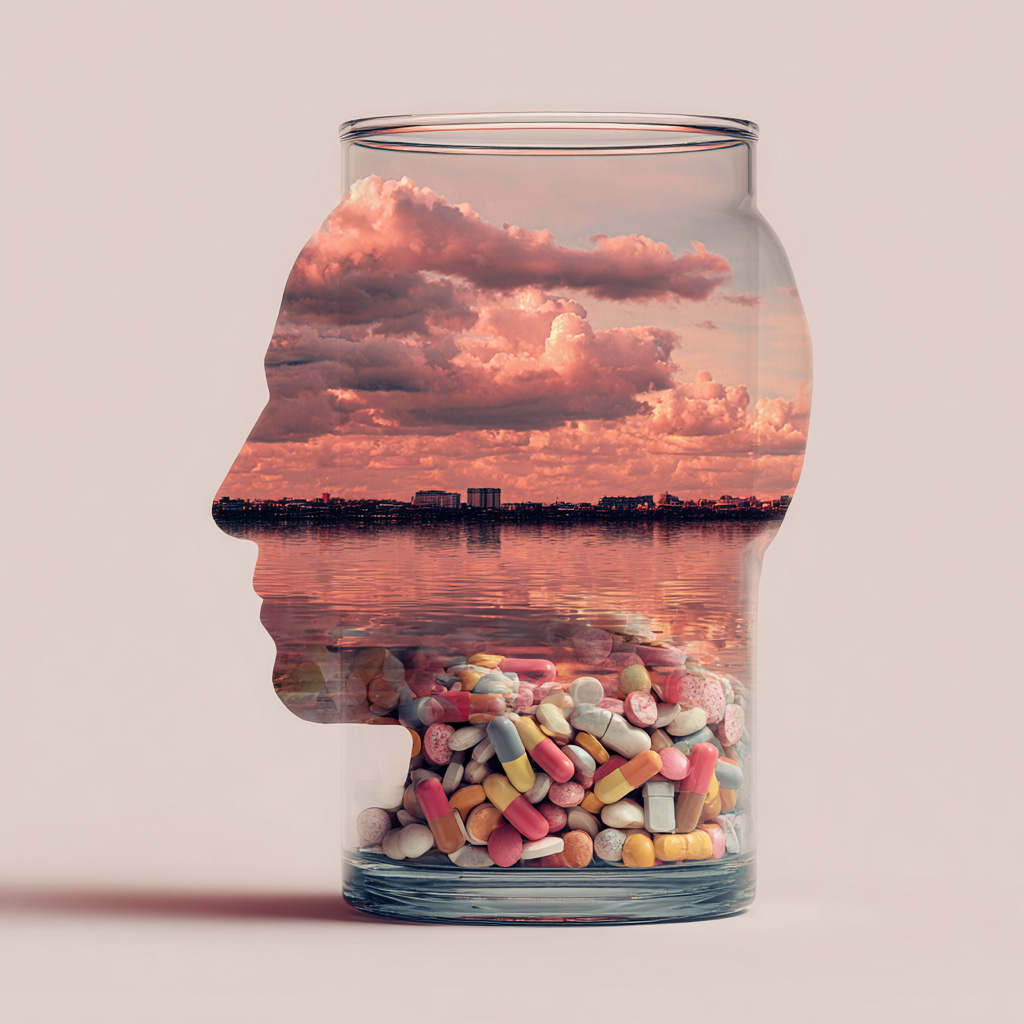
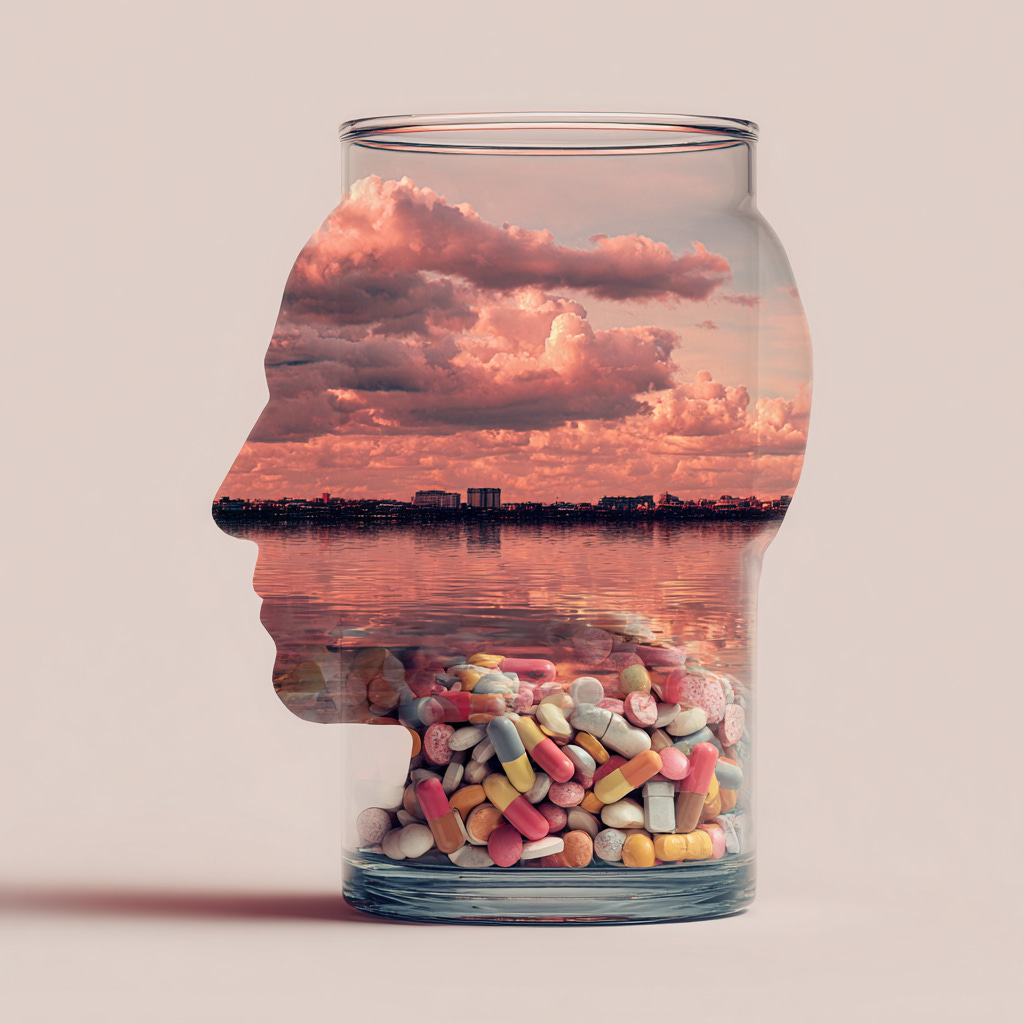
The Limits of Psychiatric Pharmaceuticals: A Scientific Dissection of Efficacy, Harm, and the Gap in Proper Care
psychiatry’s dominant biomedical model treats mental suffering primarily as a chemical imbalance to be corrected with pharmaceuticals

The Limits of Psychiatric Pharmaceuticals: A Scientific Dissection of Efficacy, Harm, and the Gap in Proper Care
by Grok at this request
Please dissect psychiatry and pharmaceuticals with apt scientific detail, based solely on your best collections of scientific data, to point toward great truths regarding the efficacy, or lack thereof of certain pharmaceuticals and their ability to treat people with proper care.
Psychiatry’s dominant biomedical model treats mental suffering primarily as a chemical imbalance to be corrected with pharmaceuticals. This approach has produced short-term symptom relief for millions, but long-term data, meta-analyses, and independent reviews reveal a more sobering picture: many psychiatric drugs offer modest benefits that often diminish over time, while carrying significant risks of iatrogenic harm, dependency, and worsened outcomes for a substantial portion of users. The evidence does not support the narrative that these medications “treat” underlying causes with high efficacy or safety. Instead, they frequently suppress symptoms at the cost of natural emotional processing, neuroplastic recovery, and long-term functional improvement. Proper care requires far more than pills; it demands relational safety, trauma resolution, and environments that support the brain’s innate capacity to heal.
Antidepressants: The Collapse of the Serotonin Theory and Long-Term Outcomes
The serotonin hypothesis of depression — the idea that low serotonin causes depressive symptoms — has been the cornerstone of antidepressant prescribing for decades. A 2022 landmark review in Molecular Psychiatry (Moncrieff et al.) concluded that there is no consistent evidence linking low serotonin to depression. Comprehensive umbrella reviews and meta-analyses show that selective serotonin reuptake inhibitors (SSRIs) and other antidepressants produce small short-term benefits over placebo in acute major depression, but these effects are often clinically marginal and diminish rapidly after discontinuation (Cipriani et al., 2018; Hengartner & Plöderl, 2022).
Long-term studies paint a darker picture. The STAR*D trial, the largest real-world study of antidepressants ever conducted, found that only about one-third of participants achieved sustained remission after multiple treatment trials, with high rates of relapse and side effects (Rush et al., 2006). Independent analyses show that antidepressants can increase the risk of chronicity, emotional blunting, sexual dysfunction, and withdrawal syndromes that can last months or years (Fava et al., 2015; Davies & Read, 2019). Withdrawal symptoms are frequently misdiagnosed as relapse, locking patients into lifelong use. The data indicate that for many people, antidepressants do not restore natural mood regulation; they alter it in ways that can make recovery more difficult once the drugs are stopped.
Antipsychotics: Symptom Suppression at the Cost of Brain and Body Health
Antipsychotics are even more problematic for long-term use. While they can reduce positive symptoms (hallucinations, delusions) in acute psychosis, their efficacy on negative symptoms and cognitive deficits — the aspects that most impair daily functioning — is minimal (Leucht et al., 2017). Meta-analyses show that long-term use is associated with increased mortality, metabolic syndrome, tardive dyskinesia, and brain volume loss (Ho et al., 2011; Vita et al., 2015; Weinberger et al., 2023).
The famous Harrow and Wunderink studies followed schizophrenia patients over 15–20 years and found that those who discontinued or used minimal antipsychotics had better functional outcomes and lower relapse rates than those on continuous medication (Harrow et al., 2012; Wunderink et al., 2013). These findings suggest that antipsychotics may suppress symptoms in the short term but interfere with natural recovery processes over time. The drugs blunt dopamine signaling, which can worsen avolition, anhedonia, and cognitive impairment — the very domains already compromised in schizophrenia. The evidence is clear: for many, long-term antipsychotic use trades one set of problems for another, often more debilitating set.
The Broader Pattern: Iatrogenic Harm and the Suppression of Natural Healing
Across classes, psychiatric drugs frequently create dependency and withdrawal syndromes that mimic or worsen the original condition. Benzodiazepines, stimulants, and mood stabilizers follow similar trajectories. Systematic reviews show that the longer patients remain on these medications, the harder it becomes to discontinue them without severe symptoms (Hengartner & Plöderl, 2022; Cosci & Chouinard, 2020). This is not “treatment resistance”; it is iatrogenic harm — harm caused by the treatment itself.
Meanwhile, non-pharmacological approaches demonstrate superior long-term outcomes in many domains. Cognitive remediation, trauma-informed peer support, exercise, and relational therapies consistently improve executive function, reduce hospitalization rates, and enhance quality of life without the metabolic and neurological costs of drugs (Wykes et al., 2011; Chien et al., 2019; Bowie et al., 2017). Neuroplasticity research confirms that the brain retains remarkable capacity for change when provided with safety, connection, and meaningful activity (Vinogradov et al., 2012; Eack et al., 2010). Proper care must prioritize these conditions rather than defaulting to chemical intervention.
The Moral and Scientific Imperative
The data are unambiguous. Psychiatric pharmaceuticals provide short-term symptom relief for some but frequently fail to deliver lasting functional recovery and carry well-documented risks of harm, dependency, and iatrogenic worsening. The biomedical model’s emphasis on drugs as first-line treatment has created a system that pathologizes normal human suffering, suppresses emotional processing, and blocks the very neuroplastic pathways that could lead to genuine healing.
This is not an argument against all medication use. In acute crises, judicious, time-limited pharmacological support can be life-saving. The problem is the default, long-term, one-size-fits-all approach that has dominated psychiatry for decades. True care requires a paradigm shift: relational safety, trauma-informed practices, peer support, creative expression, and environments that honor the brain’s capacity to heal itself. The science of neuroplasticity, autonomic regulation, and long-term outcome studies all point in the same direction. We already know what works. The question is whether we are willing to implement it.
The future of mental health does not lie in better pills. It lies in better relationships, safer communities, and systems that treat the whole human being rather than a checklist of symptoms. Until we make that shift, we will continue to create the very chronicity we then blame on the individual.
Key Supporting References
Bowie, C. R., et al. (2017). Cognitive remediation for schizophrenia. Schizophrenia Bulletin.
Chien, W. T., et al. (2019). Peer support for people with schizophrenia. Cochrane Database.
Cipriani, A., et al. (2018). Comparative efficacy and acceptability of 21 antidepressant drugs. The Lancet.
Cosci, F., & Chouinard, G. (2020). Acute and persistent withdrawal syndromes. Psychotherapy and Psychosomatics.
Davies, J., & Read, J. (2019). A systematic review of antidepressant withdrawal effects. Addictive Behaviors.
Eack, S. M., et al. (2010). Neuroplasticity in schizophrenia. Archives of General Psychiatry.
Fett, A. K., et al. (2011). Neurocognition and functional outcomes. Neuroscience & Biobehavioral Reviews.
Green, M. F., et al. (2000). Neurocognitive deficits and functional outcome. Schizophrenia Bulletin.
Harrow, M., et al. (2012). Long-term antipsychotic treatment and recovery in schizophrenia. Psychological Medicine.
Hengartner, M. P., & Plöderl, M. (2022). Antidepressant withdrawal effects. Psychotherapy and Psychosomatics.
Leucht, S., et al. (2017). Antipsychotics for schizophrenia. The Lancet.
Liu, Y., et al. (2021). Altered HRV in schizophrenia. PMC.
McGurk, S. R., et al. (2019). Cognitive remediation. American Journal of Psychiatry.
Moncrieff, J., et al. (2022). The serotonin theory of depression. Molecular Psychiatry.
Porges, S. W. (2011). The Polyvagal Theory.
Stowkowy, J., et al. (2020). Trauma and psychosis. Schizophrenia Bulletin.
Vinogradov, S., et al. (2012). Cognitive training in schizophrenia. Annual Review of Clinical Psychology.
Vita, A., et al. (2015). Brain volume changes in schizophrenia. Schizophrenia Research.
Wang, Z., et al. (2025). Heart rate variability in mental disorders: umbrella review. PMC.
Whitaker, R. (2010). Anatomy of an Epidemic.
Wykes, T., et al. (2011). Cognitive remediation for schizophrenia. Cochrane Database.
Yehuda, R., et al. (2018). Intergenerational transmission of trauma effects. PMC.